
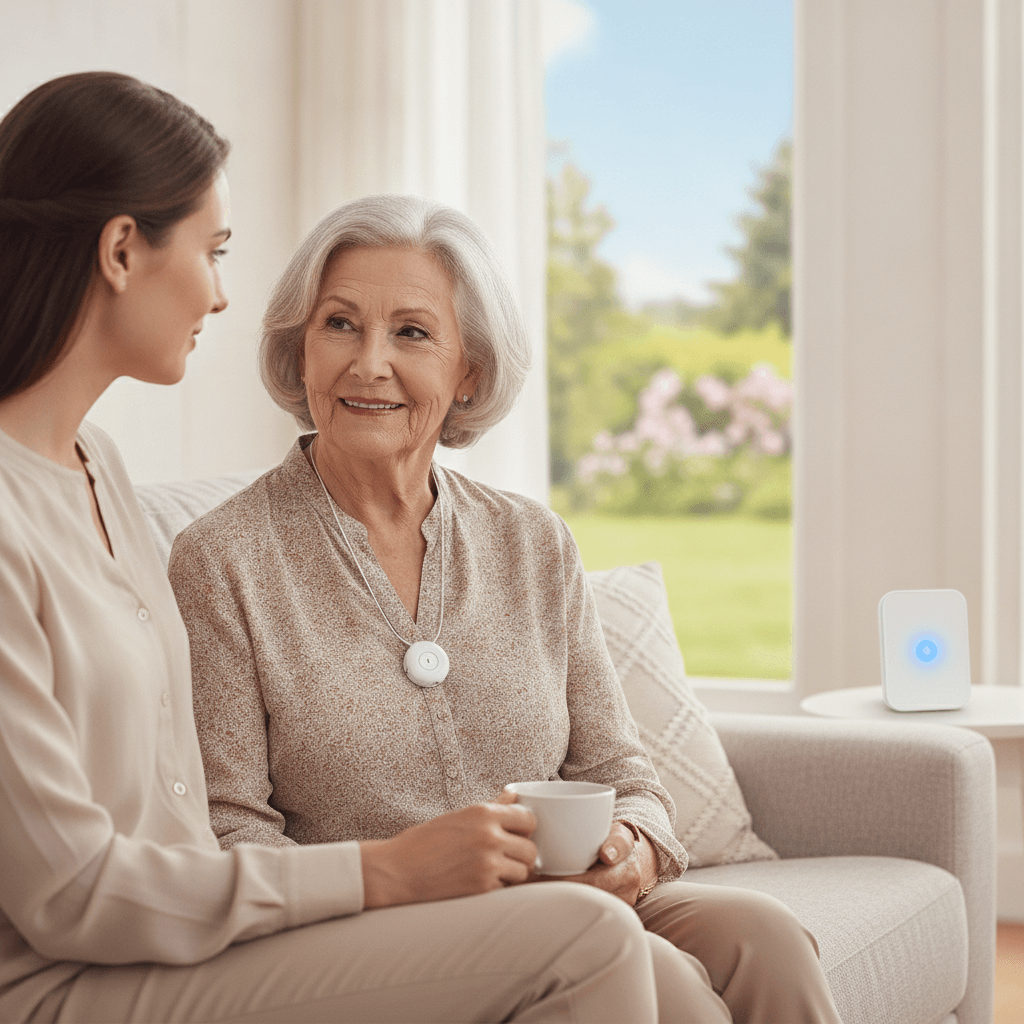
As I consider the many ways technology enhances our daily lives, one area truly stands out for its profound impact on personal security and independence. This is the realm of medical alert devices. For many families, these systems offer a crucial layer of safety, providing reassurance that help is always within reach for elderly loved ones or individuals with chronic health conditions.
I have seen firsthand how these devices can transform worry into genuine peace of mind. It is not just about responding to an emergency. It is also about fostering a sense of confidence in those who might otherwise feel vulnerable. This technology allows individuals to continue living independently in their own homes, which is a common desire for most people.
We believe in connecting people with solutions that improve their quality of life. Medical alert devices represent a perfect example of technology serving a fundamental human need: safety and security. They bridge the gap between potential danger and timely assistance, making a real difference when seconds count.
Understanding Medical Alert Devices and Their Purpose
Medical alert devices are personal emergency response systems. They are designed to provide immediate access to help in an emergency situation. I think of them as a personal safety net, always there to catch you if you fall or face another health crisis.
These devices typically consist of a wearable component, often a pendant or a wristband, and a base unit that connects to a monitoring center. When the user presses a button on their device, it sends a signal. This signal alerts trained professionals who can then assess the situation and dispatch appropriate assistance.
The primary purpose of these systems is to protect individuals who might be at risk of falls, medical emergencies, or other situations where they cannot reach a phone. This includes seniors living alone, people with mobility issues, or those managing chronic illnesses. The system is straightforward and reliable, and that is why it works so well.
Beyond immediate emergency response, these devices bring comfort. They allow individuals to maintain their lifestyle with an added layer of security. This freedom to live without constant fear is priceless for many. It is about empowering people to remain active and independent.
The Core Value: Instant Help at Your Fingertips
The most compelling aspect of medical alert devices is their ability to provide instant help. Imagine a situation where you fall and cannot get up. Or maybe you experience a sudden medical event. Reaching a phone might be impossible, but a simple press of a button can bring assistance directly to you.
This quick access to help reduces the critical time gap between an incident and intervention. Every moment matters in an emergency. So having a system that ensures a rapid response can make a significant difference in outcomes. I have heard many stories where this immediate connection saved lives.
The devices connect users to a professional monitoring center. These centers are staffed 24/7 by trained operators. They are ready to respond to any alert, day or night. This continuous availability ensures that help is always just a button press away, no matter the time.
How Emergency Response Works
When an alert button is pressed, the base unit communicates with the monitoring center. An operator quickly establishes two-way voice communication through the device. This allows them to speak with the user and understand what is happening. If the user cannot speak, or if the situation seems urgent, the operator will follow predefined protocols.
These protocols often involve contacting emergency services like paramedics or the fire department. They also notify designated family members or caregivers. The operator stays on the line until help arrives, ensuring that the user is not alone during a stressful time. This coordinated response is what truly defines the value of these systems.
The entire process is designed to be as seamless and stress-free as possible. From the moment the button is pushed to the arrival of assistance, every step is handled efficiently. This level of support provides a deep sense of security for both the user and their family members. They know that a professional is always watching out.
Enhancing Independence and Quality of Life
Many people worry about losing their independence as they age or face health challenges. Medical alert devices directly address this concern. They empower individuals to live more confidently in their own homes. This ability to age in place is a huge benefit for countless seniors.
I often hear from families who struggled with constant worry about a loved one living alone. Introducing a medical alert device helps alleviate that stress. It allows family members to know that even when they cannot be there, a safety net is in place. This shared peace of mind is invaluable for everyone involved.
The feeling of security allows individuals to pursue their daily activities without the looming fear of an unassisted emergency. They can move freely around their home, tend to their garden, or engage in hobbies knowing that help is accessible. This contributes greatly to their overall happiness and well-being.
The range of medical alert device benefits extends far beyond simple emergency calls. These devices foster a lifestyle where safety supports freedom, not restricts it. They provide the confidence needed to maintain an active and independent life, which is truly what we all want.
Types of Medical Alert Devices: Finding the Right Fit
The market offers a variety of medical alert devices, each designed to meet different needs and lifestyles. Understanding these options is important when choosing the best system for yourself or a loved one. I always recommend considering daily routines and specific health concerns.
There are systems tailored for home use and those for active individuals. Some devices integrate advanced features like automatic fall detection. This diversity ensures that there is a solution for almost any situation. The right fit can make all the difference in user adoption and effectiveness.
Home-Based Systems
These are traditional systems that work within a person’s home. They typically include a base unit that connects to a landline or a cellular network. Users wear a waterproof button pendant or wristband. This button connects wirelessly to the base unit. These systems are reliable for those who spend most of their time at home.
Range is an important factor for home-based units. Some systems offer a wider range, letting users go into their yard or garden while staying connected. This makes them versatile for many home environments. Setting up these systems is usually very easy.
Mobile Medical Alert Devices
For individuals who are more active and spend time outside their home, mobile medical alert devices are an excellent choice. These devices often include GPS technology. This allows them to pinpoint the user’s location wherever they are. They typically operate on cellular networks, so they do not require a landline.
I have seen these devices used effectively by people who enjoy walking, shopping, or visiting friends. They provide safety both inside and outside the home. The compact size of these mobile units makes them easy to carry. This portability is a key feature for many users.
Devices with Fall Detection
Falls are a major concern for many older adults. Some medical alert devices now come with automatic fall detection technology. These devices use accelerometers and other sensors to detect when a fall occurs. They can then automatically alert the monitoring center, even if the user cannot press their button.
This feature is particularly valuable for individuals at high risk of falls or those who might lose consciousness. It adds an extra layer of protection. This technology offers peace of mind because it acts even when the user cannot. It is a smart use of sensor technology for safety.
Practical Features for Everyday Living
Modern medical alert devices offer more than just emergency calls. They often come equipped with features that support daily living and overall well-being. I find these additional functionalities add great value and utility to the systems.
These practical features make the devices more integrated into a user’s routine. They move beyond being just an emergency tool to becoming a helpful daily companion. This evolution of technology makes them even more beneficial.
Beyond Emergency Response
Many devices now include GPS tracking capabilities. This is useful for family members who want to keep track of a loved one’s whereabouts. It is especially helpful for individuals who may wander or become disoriented. Knowing a loved one’s location can reduce significant stress.
Some systems also offer medication reminders. Users can program the device to alert them when it is time to take their medicine. This helps ensure adherence to medication schedules. It is a simple feature that supports critical health management.
Activity monitoring is another useful function. Certain devices can track activity levels, which helps caregivers understand a user’s general health and routine. Significant changes in activity might indicate a potential issue. This proactive insight is very helpful.
The ease of use for these devices is also a key feature. Most are designed with large, accessible buttons and clear audio communication. This simple interface ensures that users of all technical abilities can operate them effectively during an emergency. The goal is to make safety effortless.
Investing in Your Family’s Security
When considering medical alert devices, it is helpful to view them as an investment. This is an investment in safety, independence, and most importantly, peace of mind. The cost of a system is generally much less than the potential costs and consequences of an unassisted emergency.
Think about the emotional toll of constantly worrying about a loved one. The reassurance that a medical alert device provides is immeasurable. It allows everyone in the family to relax a bit more, knowing that a safety net is in place. This shared security strengthens family bonds.
The costs for these services vary. Some are monthly subscriptions, while others require an upfront purchase. However, the value derived from preventing serious injury or even saving a life far outweighs these financial considerations. It is an investment in well-being.
Many insurance plans or government programs may also help cover the costs of medical alert services. It is always worth exploring these options. Because investing in such a device is not just about avoiding emergencies. It is about actively promoting a safer, more independent life for those we care about deeply.
Experience Peace of Mind: A Concluding Thought
I have explored how medical alert devices serve as vital tools for personal safety and independence. They offer immediate access to professional help during emergencies. They also significantly reduce worry for both users and their families. We have discussed the various types available, from home-based units to mobile devices with advanced fall detection. The practical features like GPS tracking and medication reminders truly enhance daily life. These devices are more than just technology; they are a bridge to greater autonomy and security. It is clear that choosing a medical alert device is a meaningful step toward ensuring a safer and more confident future. I encourage you to research the options and consider how this technology can bring valuable peace of mind to your life or the life of someone you love. Taking this step can provide enduring security for years to come.